Empowering leaders to drive school improvement through Targeted Support in Maths
How Maths Hubs work with school leaders to secure sustainable improvement in maths
09/06/2026
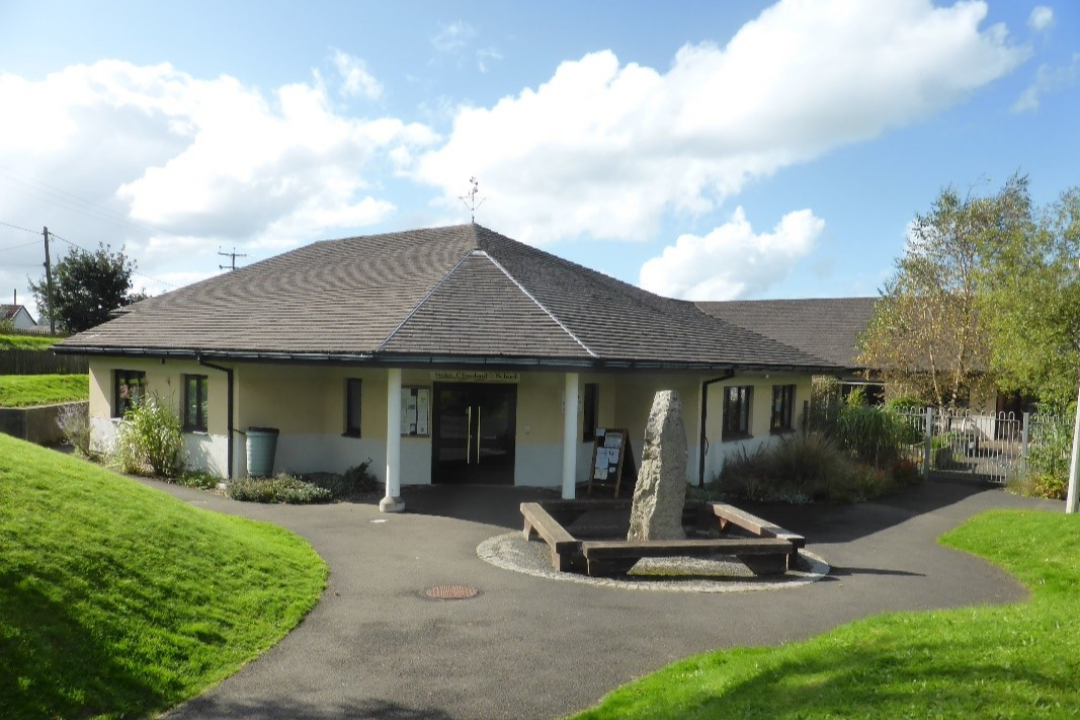
Schools can at times face barriers to improvement, and unforeseen events can place leaders on the back foot. At Stoke Climsland School, changes in staffing over a number of years led to an increased need for support to strengthen maths leadership. CODE Maths Hub was able to provide Targeted Support in Maths, working closely with leaders to help build clarity, confidence and capacity in maths leadership.
School context
Stoke Climsland School is a small, rural primary school in east Cornwall, close to the Devon border, and is part of a local authority federation. The school had already begun its journey with teaching for mastery and was engaging with a published scheme of work. However, leaders recognised that further development was needed to strengthen subject leadership in mathematics and improve consistency in classroom practice across the school.
Working in partnership with the local authority, Stoke Climsland School was identified as a suitable candidate for Targeted Support in Maths delivered through CODE Maths Hub. The work was led by Josh Lury, Intensive Support Partner (ISP), whose role is to support leaders in evaluating their existing provision and building leadership capacity. Josh explains, ‘This wasn’t about introducing something new. It was about helping leaders gain clarity and confidence in what they were already trying to do.’
Identifying priorities
Initial discussions between the school, CODE Maths Hub and the local authority focused on understanding the school’s context and identifying priorities for improvement. Josh worked closely with senior leaders to establish trust and ensure that the process felt developmental rather than judgement-led.
Leaders were clear that the support needed to help the maths subject leader, Juliette Endacott, articulate a clear vision for mathematics and feel more confident supporting colleagues. There was also a shared desire for greater clarity about what high-quality maths teaching looked like in practice across the school.
Reflecting on these early conversations, Josh noted that very quickly the conversations with leaders shifted from “What are we expected to change?” to “How do we make our existing work stronger and more coherent?”’
This change in focus helped leaders engage more confidently with improvement planning and decision making, and enabled the school to get the most out of its ongoing work with the Maths Hub. Rather than introducing a separate strand of improvement work for a defined period of time, the support helped leaders strengthen, implement and sustain the approaches they were already developing through that partnership.
The support model
Targeted Support in Maths is designed to build leadership capacity through sustained, collaborative work over time. At Stoke Climsland School, Josh led this support across two academic years, delivering regular in-school visits alongside ongoing professional dialogue. This work was undertaken with the expectation that the school would continue its engagement with the Maths Hub to support sustained development.
Rather than delivering training sessions or prescribing solutions, Josh worked alongside leaders to review what was already in place, identify areas of uncertainty, and agree realistic next steps aligned to the school’s context.
‘The role isn’t about arriving with answers. It’s about listening carefully and helping leaders find the confidence to lead improvement themselves.’
Between visits, leaders trialled agreed actions and reflected on their impact, using subsequent meetings to refine and strengthen their approach.
Strengthening mathematics subject leadership
A central focus of the work was strengthening the role of the maths subject leader. Early activity centred on developing clarity around curriculum progression, lesson design and purposeful use of the school’s chosen scheme of work.
Through professional discussion and joint reflection, Josh supported the maths lead to build confidence in observing lessons, reviewing pupils’ work, and engaging colleagues in constructive professional conversations. This growing confidence was not about accountability or compliance, but about establishing shared understanding and professional trust across the staff team.
Impact on leadership, inspection and outcomes
The maths subject leader’s confidence grew, and this had a positive impact on the wider staff. Teachers developed a clearer shared understanding of lesson structure, progression and how mathematical ideas connected across sequences of lessons. Josh notes, ‘There was a real shift towards consistency. Not uniformity, but a shared sense of what good maths teaching looks like in this school.’
This coherence reduced variability between classrooms and improved continuity for pupils as they moved through the school.
Comparing KS2 outcomes before and after the period of support, Year 6 mathematics outcomes rose by around 34 percentage points, reaching 72.3% at age-related expectations. While school leaders felt the support played a significant role in that improvement, as is the case with most school outcomes, it is not possible to isolate the influence of any one intervention with certainty. Improvements took place within a wider school context where a range of activity and influences may also have contributed.
When Ofsted visited part-way through the project, maths lead Juliette was able to set out the school’s vision for mathematics with confidence and clarity. The school was judged Good overall, with mathematics identified as a strength.
Reflecting on the experience, Juliette shares her perspective on the role the support played during a period of improving outcomes: ‘Josh was highly supportive in his role. His coaching approach empowered me to identify the positive changes needed within the school, and his advice and experience provided focused, practical strategies to implement those improvements effectively.’
While improved data was not the primary driver, leaders valued seeing strengthened leadership and classroom practice reflected in pupil outcomes. As Josh notes, ‘Data was never the starting point, but it was reassuring to see improved outcomes alongside stronger leadership and practice.’
Looking ahead
For Josh, the project exemplifies the purpose of Targeted Support in Maths: building leadership capacity and creating the conditions for sustainable improvement. The sustained, collaborative approach, and protected time for professional dialogue and reflection, were particularly valued by school leaders. He explains, 'When leaders feel trusted and supported, they’re much more willing to engage deeply and make meaningful change.’
Stoke Climsland School has continued its engagement with the Maths Hubs Programme, now from a position of greater clarity and confidence. Josh is confident that school leaders are now well placed to sustain and further develop high-quality mathematics provision.
‘The most powerful impact is knowing the school now has the capacity to keep improving, long after targeted support ends.’
Find out more
If you are a senior leader, trust leader or school improvement advisor looking to improve maths provision, your local Maths Hub can help, with fully-funded professional development designed to support sustainable improvement
Connect